Pocket Palettes: Capturing Color Stories Around You
 Maya Calder
·
Maya Calder
·
Why color is a tiny storytelling engine
Color doesn’t just sit on the surface of a scene like decoration — it pulls weight. A single color relationship can tell mood, suggest season, signal a brand, or point a viewer's eye where you want it to go. The secret I keep telling myself on long walks is simple: you don’t need sweeping landscapes or perfect light to speak visually. You need attention. Pocket palettes are small, accidental color stories that live in doorways, market stalls, laundry piles, and the reflection on a bus window. Photographing them sharpens your eye and gives you a reliable short exercise to practice composition, exposure, and timing.
How to hunt a pocket palette
Think like a detective with a soft spot for color. Here are quick, repeatable ways to find palettes in everyday scenes:
- Look at edges: where two materials meet — a painted curb and asphalt, a shop sign and a brick wall.
- Scan for repetition: repeating hues in different textures (plants, pots, fabrics) make compact palettes feel intentional.
- Notice contrast: a pop of warm color against a cool background reads like a focal point even in a crowded scene.
- Watch for time and weather: cool mornings shift to warm afternoons; wet streets saturate colors making palettes richer.
Composing a palette that reads
Once you find a promising cluster of colors, treat composition the way you treat seasoning — measured and purposeful. Small palettes often need clear hierarchy so the viewer knows where to look.
- Choose a dominant color: this is the anchor. Frame so it occupies a clear portion of the image, but avoid cutting it awkwardly at the edge.
- Add a supporting color: this should create a visual relationship — either harmonize or contrast. Position it so there’s a subtle visual line between the two (a ledge, shadow, or seam works great).
- Include a neutral: grays, creams, and blacks give the eye rest and let the other colors sing.
- Mind the negative space: small palettes need breathing room. Negative space can be a uniform wall or a shallow out-of-focus background that keeps attention on the colors.
Practical camera tips (phone or mirrorless)
These are my go-to settings when chasing pocket palettes. Nothing precious, just reliable:
- Auto white balance is fine for most grabs, but switch to a specific WB if the scene has a strong color cast you want to keep (warm streetlight, neon).
- Use a shallow depth of field (wider aperture) to isolate colors — around f/2.8–f/5.6 is great on fast lenses. On phones use portrait mode or tap to focus and back off for bokeh.
- Expose for the highlights if you want saturated colors, or lift shadows if the palette lives in low contrast — slight underexposure can make colors pop too.
- Stabilize: hand-hold confidently, but if the light is low, brace your camera on a railing or use a short tripod.
Simple composition templates
If you like structure, try these reliable templates as starting points. They work across subjects and keep the palette clear.
- The Stripe: dominant color takes a band across the frame; supporting color appears in a thinner band. Think painted benches against pavement.
- The Triangle: three color elements form a loose triangle, guiding the eye in a loop — a sticker, a door handle, and a faded poster.
- The Center Dot: a small bright color centered against a muted field; great for candy-colored objects on a neutral table.
Mini exercises to sharpen attention (10–20 minutes each)
Practice beats theory. These little drills are what I use on slow errands.
- Palette Walk: aim to capture five distinct three-color palettes in twenty minutes. No editing allowed, just one frame per palette.
- One-Color Challenge: limit your palette search to a single color family (all blues, all reds) and photograph how it appears in textures and materials.
- Time-of-Day Test: return to the same spot at different times and record how the palette shifts with light.
Editing with restraint
In post, less is often more. A clean split-toning or a subtle HSL adjustment can clarify a palette, but avoid oversaturation — that’s the fast track to cliché. I prefer to nudge contrast and selectively increase saturation on the dominant color. Cropping is your friend: tighten the frame if unwanted distractions creep in.
A small field note
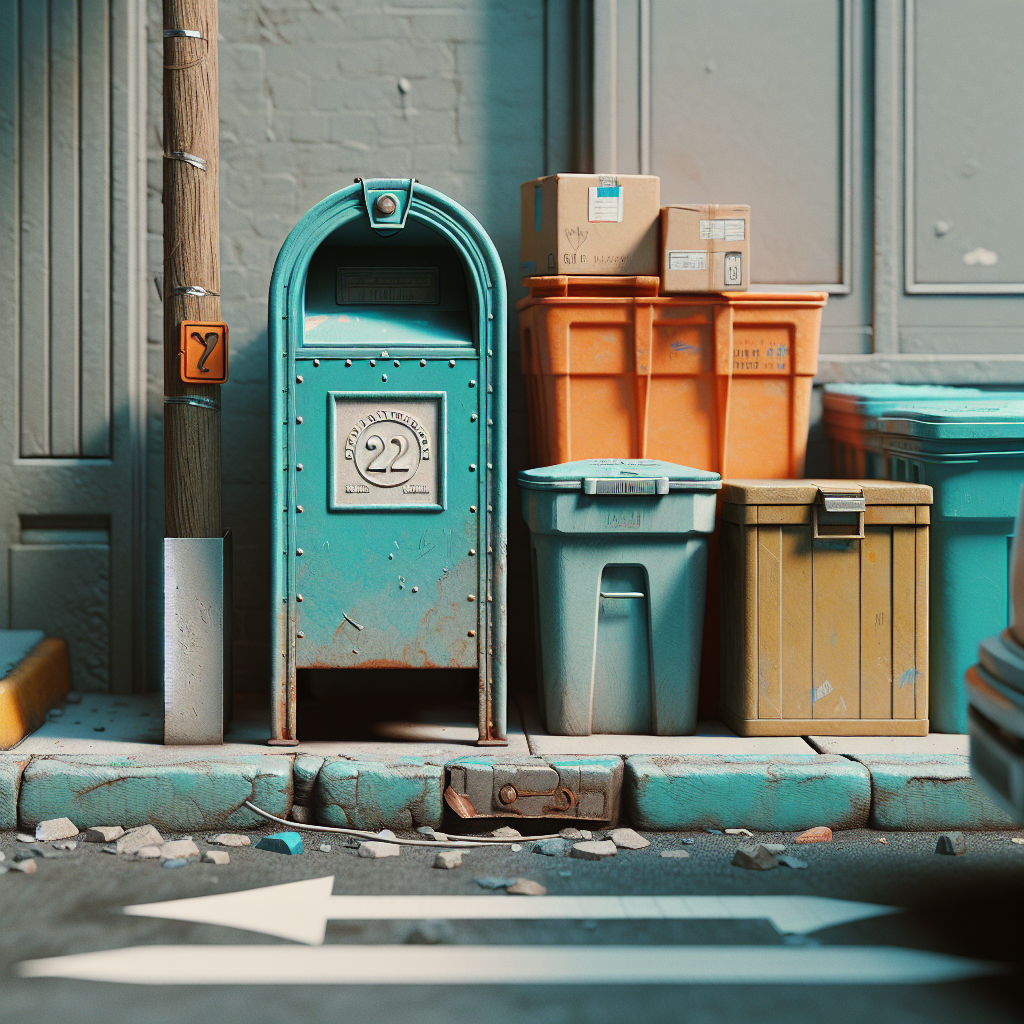
Last Saturday I found a perfect trio: a chipped turquoise mailbox, a stack of orange delivery bins, and a gray curb painted with white arrows. The light wasn't epic, but the colors were having a conversation. I sat on the sidewalk for five minutes and moved my feet until the triangle read the way I wanted. The photo felt like a quiet civic hymn — not dramatic, but unmistakable.
That moment is the point of pocket palettes: you don’t usually get sweeping drama, you get intimate clarity. Give yourself permission to stroll, to kneel, to wait for a pedestrian to step into the frame and become the final note.
Parting thought and a challenge
For this week’s small assignment, capture three pocket palettes that feel different to you — one warm, one cool, and one neutral. Share them with a friend or keep them in a folder labeled “palettes.” Over time you'll start spotting recurring color relationships, and your eye will carry that vocabulary into bigger projects.
Take the long view with small moments. A practiced glance will turn a boring wall or a pile of fruit into a photograph that says something about where you were and how you were looking.