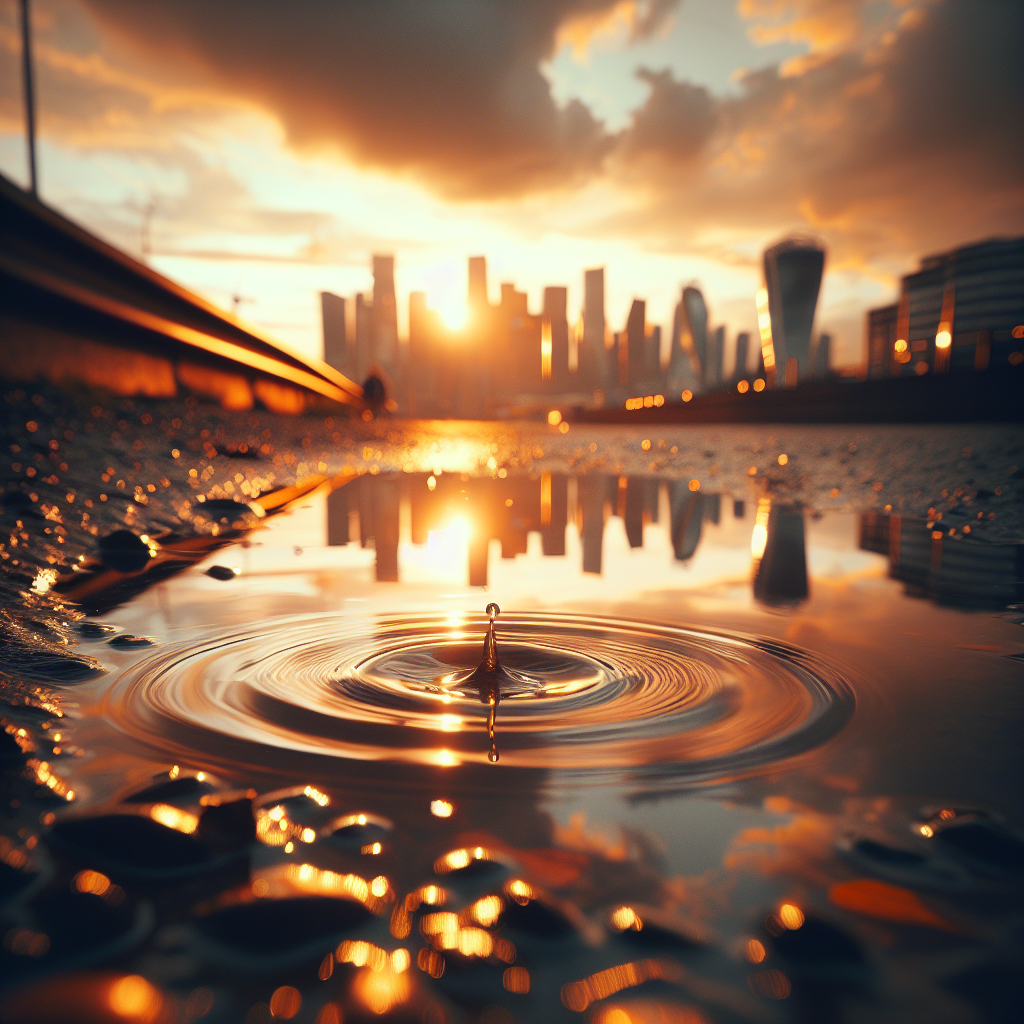
Mirror Moments: Finding Micro-Reflections for Cinematic Snapshots
 Maya Calder
·
Maya Calder
·
Why tiny reflections matter
Reflections are shorthand for mood. A puddle can double a skyline, a coffee cup rim can cradle a face, and a phone screen can turn a sidewalk into a miniature stage. When you work small—no tripod, no elaborate lighting—you lean on composition and timing. Tiny reflections condense space and emotion; they let you suggest more than you show. That's perfect for daily photography when you want scenes that feel cinematic without a production crew.
Shot tight, reflections create layers: foreground, reflected world, and the frame that contains both. That three-layer structure gives heft to pocket photos. It makes viewers pause, look twice, and feel reward when they spot the echo inside the frame.
Where to look (fast)
Training your eyes to find reflective moments is like learning to spot pockets of light. Keep this short list in your mental pocket and run through it when you step outside or scan a room:
- Shallow puddles, especially after rain; they mirror the sky and buildings in a soft, painterly way.
- Windows with a slight angle; they often blend reflection and transparency into layered portraits.
- Polished metal surfaces: spoons, kettles, car trims. Small curved surfaces distort and dramatize.
- Smartphone and tablet screens; they act as instant mirrors if the display is off or dimmed.
- Shiny countertops and glossy magazines; those mid-sized reflections are great for everyday tabletop stories.
- Eyeglasses and watch faces for tiny, sharp reflections—perfect for detail shots.
How to make them sing
Finding a reflection is half the job. The other half is shaping it with angle, distance, and exposure. Here are practical moves you can repeat anywhere:
- Change your angle: A few inches or a small tilt can transform a dull reflection into a dynamic one. Walk around the subject and find the angle that includes the most interesting background in the reflection.
- Move your camera close: For small reflective objects, get close enough that the reflection fills a good portion of the frame. Close proximity reduces distractions and emphasizes the mirrored content.
- Use contrast to your advantage: Bright subjects against a darker reflective surface pop more. If everything is flatly lit, introduce a darker background behind your reflection or wait for directional light.
- Control glare: On glass and metal, glare can blow highlights. Slightly change position or shade the surface with your hand to get a cleaner reflection.
- Expose for the reflection: If your camera tries to meter the entire scene, it may underexpose the reflection. Tap to expose on smartphone screens, or lower exposure compensation to keep highlight detail.
Composition tricks that work every time
Reflections invite playful composition. Try one of these quick frameworks and repeat it until it becomes instinctive:
- Frame within a frame: Use the reflective surface as a natural frame—rim of a cup, phone bezel, window pane.
- Negative space contrast: Let the reflected element sit in a generous dark or soft-toned area to increase emphasis.
- Symmetry and asymmetry: Mirrors and puddles favor symmetry, but offsetting the reflection with an element in the foreground creates tension and interest.
- Echo an element: Place a non-reflected object in the foreground that visually echoes the reflected subject—color, shape, or gesture.
Practical camera settings (pocket-friendly)
You don’t need complex gear to capture reflections, but a few settings help you be more consistent. On a phone, use tap-to-focus and exposure lock where available. On a camera, use spot or center-weighted metering and a modest aperture for depth. Here’s a tiny cheat-sheet you can memorize:
Phone: Tap to focus on reflection, slide exposure down if highlights clip
Camera: Aperture f/4–f/8, ISO 100–800, shutter 1/60s or faster for handheld
These are starting points. If you’re freezing motion or shooting in very dim light, raise ISO or use a slightly faster shutter.
Lighting notes for small reflections
Reflections behave like miniature stages—lighting changes everything. Backlight creates halos and dramatic silhouettes inside puddle reflections. Side light emphasizes texture on metal surfaces. Soft, diffuse light is forgiving for faces in window reflections. Carry a small piece of white paper or your phone's flashlight to add a touch of fill when the reflection is too dark.
Quick practice: a five-minute routine
Build the habit by doing this short exercise once a day for a week. It trains your eye and your hands.
- Choose one location: a cafe table, your kitchen sink, a sidewalk near your building, or inside your car.
- Find three reflective surfaces and spend one minute on each. Walk around, change angles, and take at least five photos per surface.
- After three minutes, pick your favorite shot, open it on your device, and crop or adjust exposure. Repeat daily and watch your instinct sharpen.
A small field note
One of my favorite mirror moments happened with an upside-down spoon at a train station. I crouched, and the platform lights bent into a tiny skyline in the spoon's bowl. The reflection was imperfect—warped and a little grainy—but it read like a movie poster in miniature. That imperfection is often the point. Tiny reflections carry personality precisely because they distort and condense reality.
Look for the echo. The world is full of small mirrors waiting to tell a larger story.
Reflections don't need perfection. They need attention. Keep your camera in your pocket, your eyes open for glints and pools, and treat every reflective surface as a possible mini-stage. With a few practiced moves—angle, proximity, and exposure—you'll start making small moments look cinematic, and your daily photo diary will feel like a tiny, beautiful cinema of its own.