Minute Theater: Staging Small Scenes for Big Photos
 Maya Calder
·
Maya Calder
·
Seeing the set
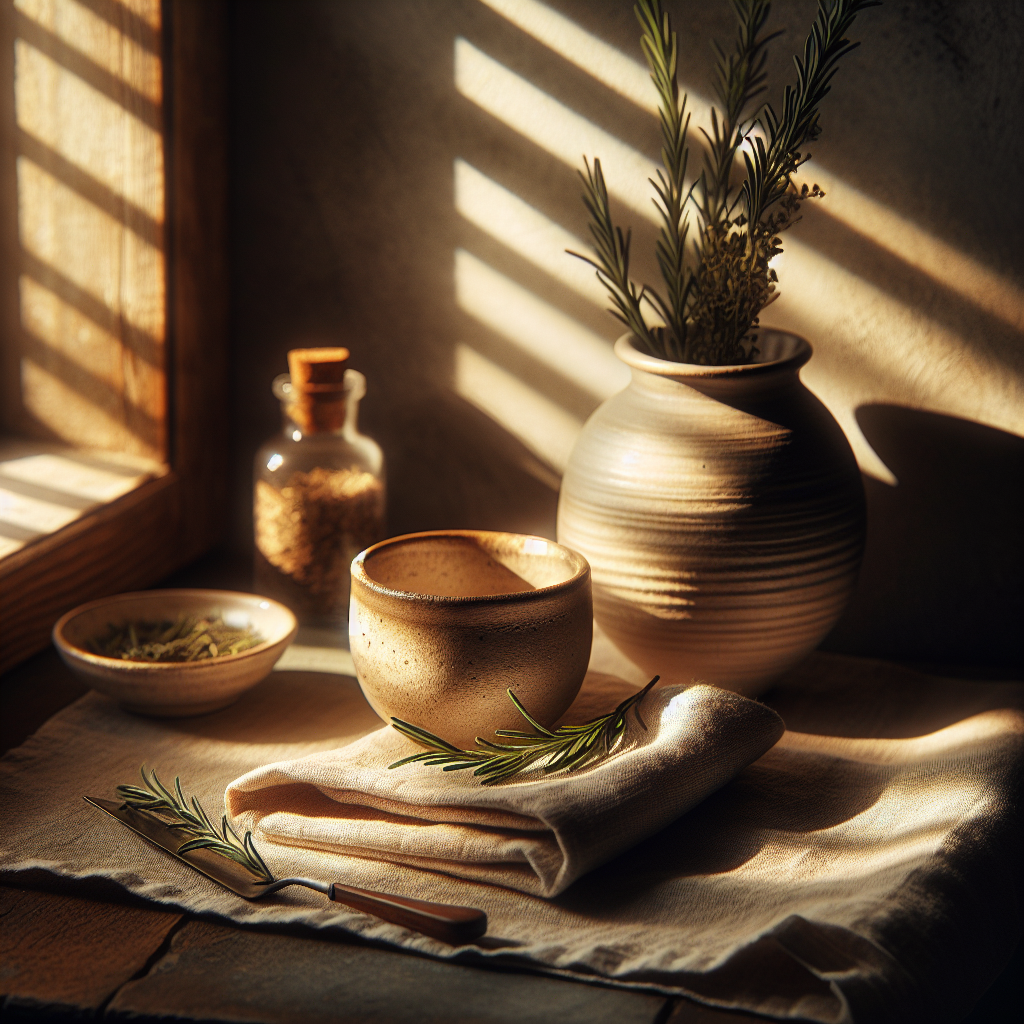
I like to think of the world as a tiny theater where props, actors, and light perform in quiet shifts all day. A coffee cup becomes a lead. A sunbeam is a spotlight. A cracked tile is a textured backdrop. The trick isn't to find grand moments — it's to make a tiny one feel deliberately staged. That’s what I mean by "minute theater": small scenes photographed with the intention and vocabulary of larger, cinematic moments.
Why small scenes matter
Small scenes are everywhere, and they teach the fundamentals faster than chasing sunsets. They force you to notice relationships: scale, edge, color temperature, and the way an object leans into its surroundings. You learn to use a limited stage (your corners, your pocket, a single windowsill) and get better at framing choices that communicate mood.
Tools that help (and what you don’t need)
- Camera: any phone or compact camera. A 50mm equivalent lens on an interchangeable-lens camera is a lovely neutral option for tabletop scenes.
- Simple stands: a mug, a book stack, or a rolled towel can raise or angle your subject quickly.
- Reflector: white cardboard or a sheet of paper to bounce light into shadows.
- Distance control: move the camera, not the subject — it changes perspective more naturally.
You don’t need studio lights, a tripod, or a pile of props. You do need patience and a willingness to move around the scene until the composition reads like a sentence.
Quick staging recipe (5 minutes)
- Choose your subject: something small with texture or shape — a hand-rolled sandwich, a watch, a sprig of rosemary.
- Pick a light source: window light, desk lamp, candle. Side light is your friend for drama; backlight gives rim glow; soft front light is calm and honest.
- Build a backdrop: a page from a magazine, a wooden board, or the table itself. Reduce clutter to one secondary element — don’t overdecorate the stage.
- Position your camera: get low for monumentality, high for context. Take a few steps left and right; perspective is how stories change.
- Refine with a reflector or shadow blocker: subtle tweaks matter. A small piece of white paper can lift a shadow and reveal texture.
Composition moves that work every time
Here are reliable framing choices that give tiny scenes a clear voice.
- Negative space as breathing room: let a subject sit within generous empty space to make the scene feel quiet and intentional.
- Partial reveal: show only part of the object — a bitten edge, a folded corner — and the viewer fills the rest. That hint creates curiosity.
- Diagonal tension: arrange elements along a diagonal to add movement. Even a spoon and a napkin can create a leading line.
- Layering: foreground, subject, background. A blurred foreground element (a leaf, an out-of-focus cup rim) pulls the viewer into the scene.
Practical camera settings
Don’t overcomplicate. Here are settings that translate between phones and mirrorless compacts.
Mode: Aperture-priority (if available) or Portrait/Pro on phone
Aperture: f/2.8–f/5.6 — wider for shallow depth and dreamy backgrounds, narrower to keep multiple props in focus.
ISO: keep as low as possible — raise only to avoid motion blur if your hands are unsteady.
Shutter: 1/60s or faster — faster if you’re handheld and fidgeting props.
If your phone allows manual focus or focus lock, use it. Tiny scenes can trick autofocus into selecting the wrong plane.
Lighting recipes for mood
Light is the playwright. Here are three short recipes.
- Quiet morning: diffuse window light, reflector below to lift shadows, low angle to bring out texture.
- Late afternoon drama: hard side light, stronger contrast, darker background to isolate the subject.
- Night warmth: a single tungsten lamp or candle for warm highlights and deep shadows — expose for the highlights to keep a cozy feel.
Small edits that finish the story
Post-processing should nudge, not rewrite. Crop for stronger framing, repair distracting dust spots, and tweak contrast and color temperature. A slight increase in clarity or texture will emphasize tactile surfaces; reduce highlights if the light clip is too harsh.
Keep a consistent look across a small series by matching white balance and contrast — that continuity turns separate minutes into a short, coherent play.
Two-minute assignments
- Window Still Life: place three unrelated objects on a windowsill, shoot from two angles, and choose the image that says "gentle calm" rather than "random clutter."
- Mini Portrait: photograph a hand holding an object. Focus on the texture of skin and object contact; crop tight.
- Edge Story: pick a scene where one object touches the frame edge. Let that contact imply continuation off-screen.
Good tiny scenes are less about discovery and more about choice: you choose what to show and what to leave implied.
Parting note
Minute theater is a practice: the more you stage small moments, the faster you'll see story potential everywhere. It makes you a better observer and a kinder editor of life. So pick a windowsill, grab a mug, and spend five deliberate minutes making a small scene that feels like it matters. The stage is always open.