Little Setpieces: Finding Miniature Scenes in Your Day
 Maya Calder
·
Maya Calder
·
Why little scenes matter
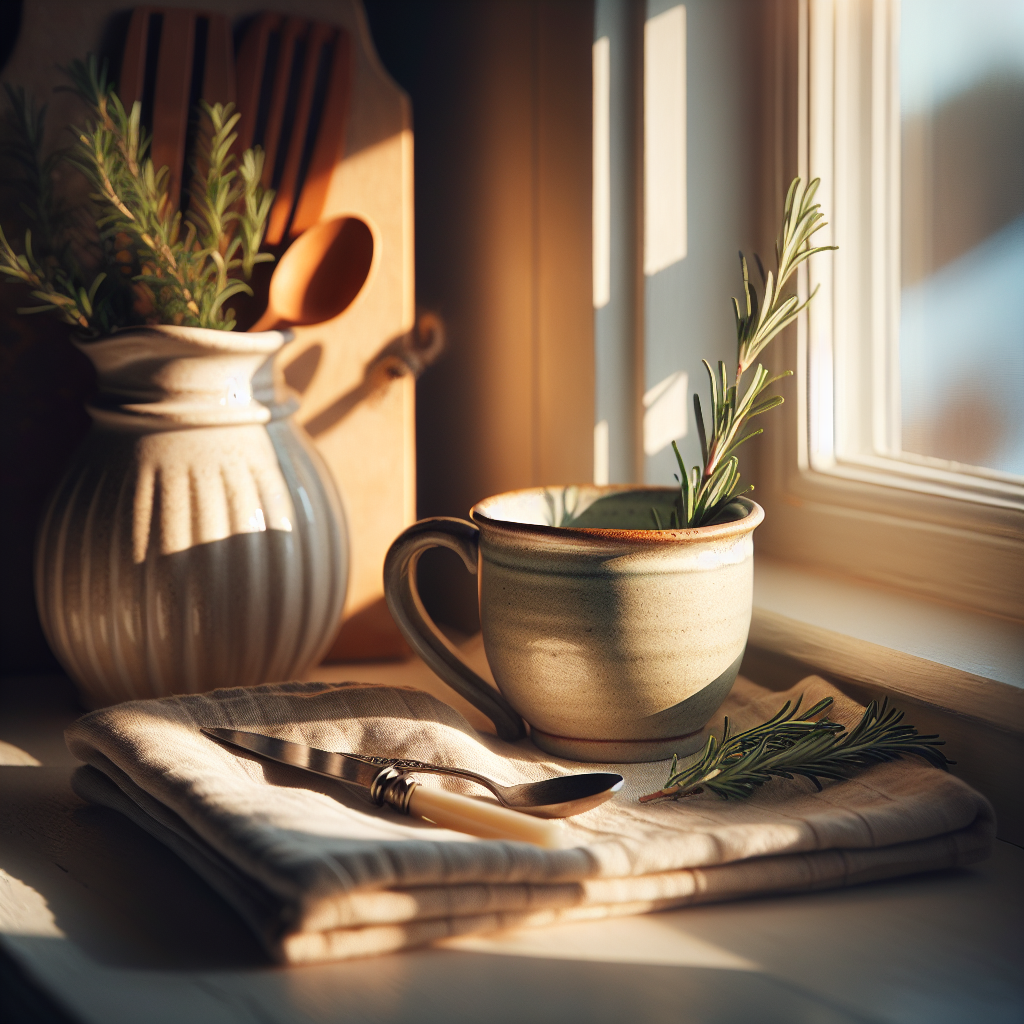
Not every photograph needs to be a headline. There is a special quiet in the small, staged-feel moments of ordinary life: a sunlit cup on a windowsill, a dog pausing mid-scratch, a folded jacket on a chair with a soft crease. I call these "little setpieces"—miniature scenes that read like tiny stage designs. They aren't dramatic, but they reward attention. Photographing them trains your eye to see, and your camera to translate, the subtle stories that stitch our days together.
Look for the setpieces
Finding a little setpiece is mostly about slowing down. Walk slower, linger longer, and let your eyes do the framing before your lens does. Here are reliable signatures that a scene might be worth photographing:
- Light that sculpts—soft side light, a shaft through blinds, reflected highlights.
- Simple arrangements—two or three elements interacting (a hand + a cup, a shoe + a puddle).
- Implied action—something has just happened or is about to happen (a half-open door, steam rising).
- Texture and contrast—peeling paint, crumpled paper, worn wood that adds visual interest without shouting.
How to photograph a little setpiece (step-by-step)
Turn the observation into a frame with a few practical moves. This short, repeatable process keeps the mood intact and makes stronger pictures.
- Pause and read the scene: name the elements in one sentence ("a mug, a window, and morning light").
- Choose your lens: get closer rather than cropping later. A 35mm or 50mm on full-frame (or the phone's main camera) keeps the intimacy. For really small details, try macro.
- Decide on orientation: vertical can heighten intimacy; horizontal can include contextual surroundings.
- Simplify: remove distracting bits or change them subtly—move a spoon, pick up a stray wrapper, but keep it natural.
- Set exposure for the mood: preserve highlights in soft light, or expose for shadows in contrasty light to keep mood.
- Make small adjustments in framing—shift a hand, tilt the object—until the picture reads like a single idea.
- Shoot a short burst from slightly different angles. One good frame usually emerges; you’ll be surprised how small moves matter.
Composition and light cheat-sheet
Little setpieces respond to subtle composition choices. Here’s a practical cheat-sheet you can apply on-the-fly.
- Foreground, midground, background: introduce one layer of separation. A napkin in the foreground can make a windowlight mug feel cinematic.
- Negative space: give your subject breathing room—especially if the story is quiet.
- Lines and geometry: tabletop edges, shadows, and window panes guide the eye. Use them to point towards your subject.
- Color pops: one accent color (a red lid, a blue scarf) can anchor the frame.
- Use shallow depth-of-field when you want intimacy. Keep more DOF when context is the story.
Think like a stage director for a one-act play. What is essential? What can be implied? Remove, then add only what the frame earns.
Practical settings and a quick camera note
Here are a few starting settings that work for many little setpieces. Treat them as springboards, not rules.
ISO 200–800, aperture f/2.8–f/5.6, shutter 1/30–1/250s
If you're handheld and the scene includes subtle motion (a stirring spoon, steam), nudge shutter speed up to 1/125s or faster. For portraits or hands, aim for slightly wider apertures to separate subject from background. On phones, tap to set exposure and lock focus; use portrait/portrait-lighting modes sparingly—the natural look often serves these scenes better.
Turning a single shot into a small story
One frame can suggest an entire narrative if you arrange and sequence thoughtfully. Try making a three-frame micro-story: establishing, detail, away. For example:
- Establishing: the chair and jacket draped over it in a room—sets the place and mood.
- Detail: the collar and handkerchief, a stitch or coffee ring—adds texture and personality.
- Away: a wide moment that includes a doorway or window where the person might reappear—implies what comes next.
When you sequence, keep the visual language consistent: similar light, color palette, and framing rhythm. The result feels intentional, not documentary-shot-accidentally.
A tiny challenge to practice this week
For the next seven days, find one little setpiece each morning or evening. Make a single frame that reads as a complete little scene. Don’t overwork it—set a 10-minute limit from discovery to finished frame. At the end of the week, assemble the seven images. Look for recurring motifs: a repeating texture, the same quality of light, or a favored angle. Those patterns tell you where your eye wants to go.
Little setpieces are a way to practice the larger skill of seeing: to hold attention for the small human gestures and arrangements that otherwise slide by. They’re low-stakes, high-return exercises—perfect for phone practice or slow afternoons with your best lens. And even if nobody else notices, you'll start keeping a gentle private catalog of the things you loved that day. Which, in my book, is exactly the point.