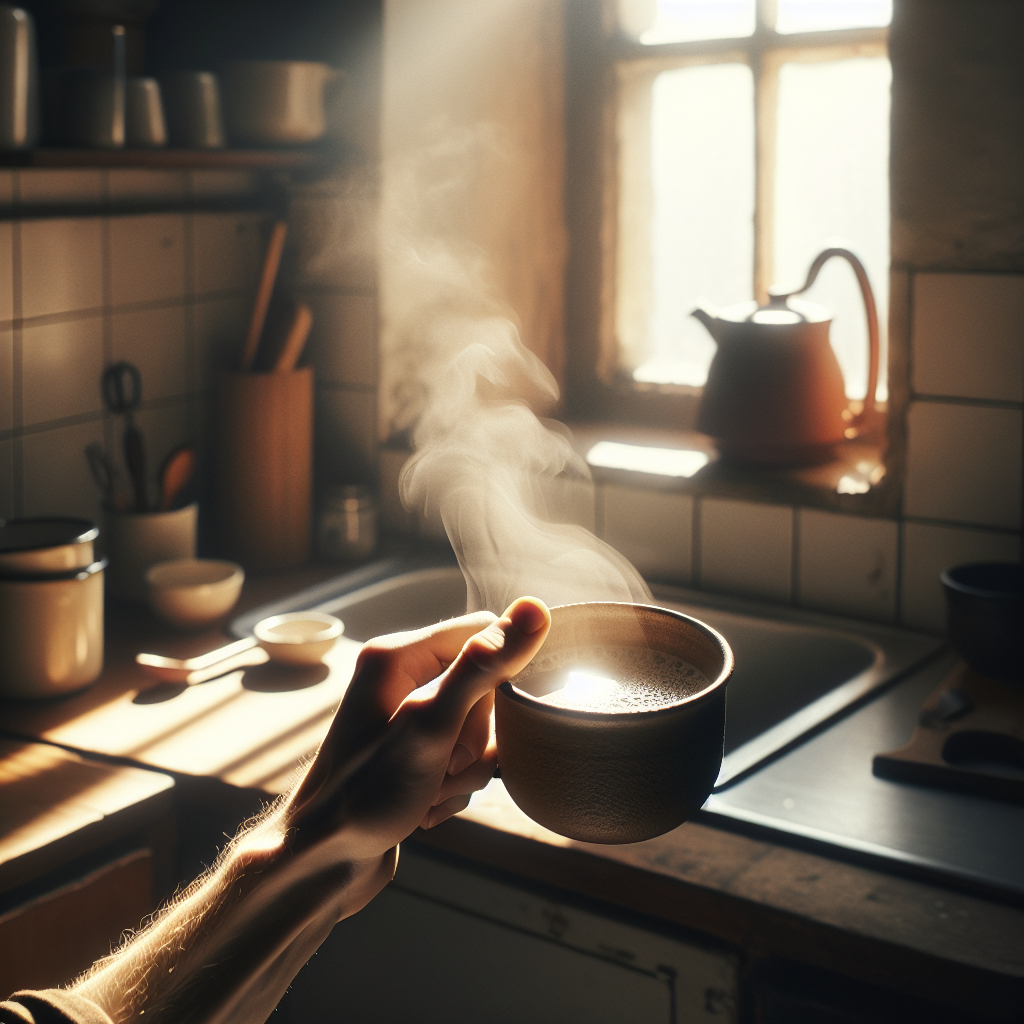
Everyday Rituals: Framing Small Repetitions as Stories
 Maya Calder
·
Maya Calder
·
Why small rituals make big stories
We live inside routines: the 7:30 kettle, the way the cat insists on your laptop, the walk that always smells of wet leaves. Those repetitions are not boring — they're dependable. Photographically, they give you structure. A ritual provides beginning, middle and end without writing a script. All you need is attention, a few intentional choices, and a willingness to shoot the same scene more than once.
Look for the arc
Every ritual has an arc. Even a five-minute sequence can be narratively satisfying if you show change. Ask yourself: what happens first? What changes? What stays the same? Use that arc as the spine of your set of images.
- Start: an establishing image that sets context — hands reaching for the kettle, a wide view of the kitchen counter.
- Middle: the action — steam rising, fingers pulling a thread, the bus door closing.
- End: a quiet result — a cup on the table, the pulled thread's frayed edge, someone sitting down.
Compositional shortcuts for fast, honest photos
When you only have a few minutes, these compositional rules will help you make images that feel intentional rather than lucky:
- Choose one subject per frame. Rituals are made of little gestures; don’t overcrowd the frame.
- Mix wide, medium, tight. A wide shot places the ritual. A medium shot shows interaction. A tight detail delivers emotion.
- Use negative space to imply time and breath. Empty areas let the viewer imagine what happened before or after.
- Look for repeated shapes and lines. They echo the idea of repetition in the scene itself.
- Frame for motion: lead with the subject’s direction to suggest continuation off-camera.
Lighting and timing: small adjustments, big payoffs
Natural light is your friend here. A ritual usually unfolds in the same place and time — morning coffee at kitchen light, evening rituals in lamplight. Instead of chasing dramatic light, work with what’s there and lean into it.
- Window light is forgiving; use it for soft portraits and texture. Backlight makes steam, hair, and smoke glow.
- Mixed light (window + tungsten) can be tricky but useful for mood. Let the warm and cool tones sit together; they tell a story about time of day.
- When light is low, plant your feet and embrace a slower shutter or higher ISO rather than using flash. A little grain feels honest.
Settings & gear that keep things simple
You don’t need exotic equipment to do this well. The point is repeatability and observation.
- Phone cameras: use grid lines, lock exposure, and tap to focus on the subject. Use portrait mode only when it helps isolate a subject.
- Mirrorless/DSLR: a 35mm or 50mm prime is ideal for handheld intimacy. A small zoom like a 24-70 covers wide-to-medium with one lens.
- Tripod: useful if you want consistent framing for a sequence or to use very slow shutter speeds.
Example quick settings for handheld shots in ordinary home light: 1/60–1/200s, f/2.8–f/5.6, ISO 200–1600. For phone: lock exposure and increase exposure compensation slightly to brighten shadows.
Shutter 1/125 • Aperture f/4 • ISO 800
A quick shooting recipe (use this in the morning, on your commute, or in five spare minutes)
- Observe: Spend one minute watching. Where does the action begin? Where is the pause?
- Plan three frames: wide, medium, detail. Think of them as a mini-story trio that can stand alone or be combined.
- Set exposure: lock your meter off the brightest part of the scene if backlit, or off midtones otherwise.
- Shoot the sequence twice. The first pass is practice; the second pass is your chance to refine composition and timing.
- Pick one surprising detail to shoot deliberately. It might be a reflection, crumbs on a counter, or the way a hand grips a mug.
- Review quickly. Cull down to your three favorites and label them mentally: establishing, action, result.
Editing: trust the story, not just the pretty image
When you edit, resist the temptation to choose the sharpest or most perfectly exposed image alone. Choose the images that best communicate the arc. Sequence matters: the middle image should feel like a bridge between start and finish. A bit of subtle color grading that unifies warm and cool tones can make disparate shots read as one scene.
A small personal dispatch
Last week I shot my neighbor’s ritual: every night she takes a tiny jar of tea leaves to a window, breathes on them, and then lights a single candle. Five minutes of observation gave me seven images, three of which told the whole story. My favorite was a close crop of her thumb on the jar’s rim — humble, human, oddly cinematic. Rituals reward patience more than gear.
Final note: make it repeatable
Ritual projects are powerful because you can repeat them often. Try shooting the same ritual weekly and compare. Over time you’ll notice small shifts — a new mug, a scarred countertop, different light — and those shifts are where real stories live. Keep it small, keep it honest, and keep your camera handy.