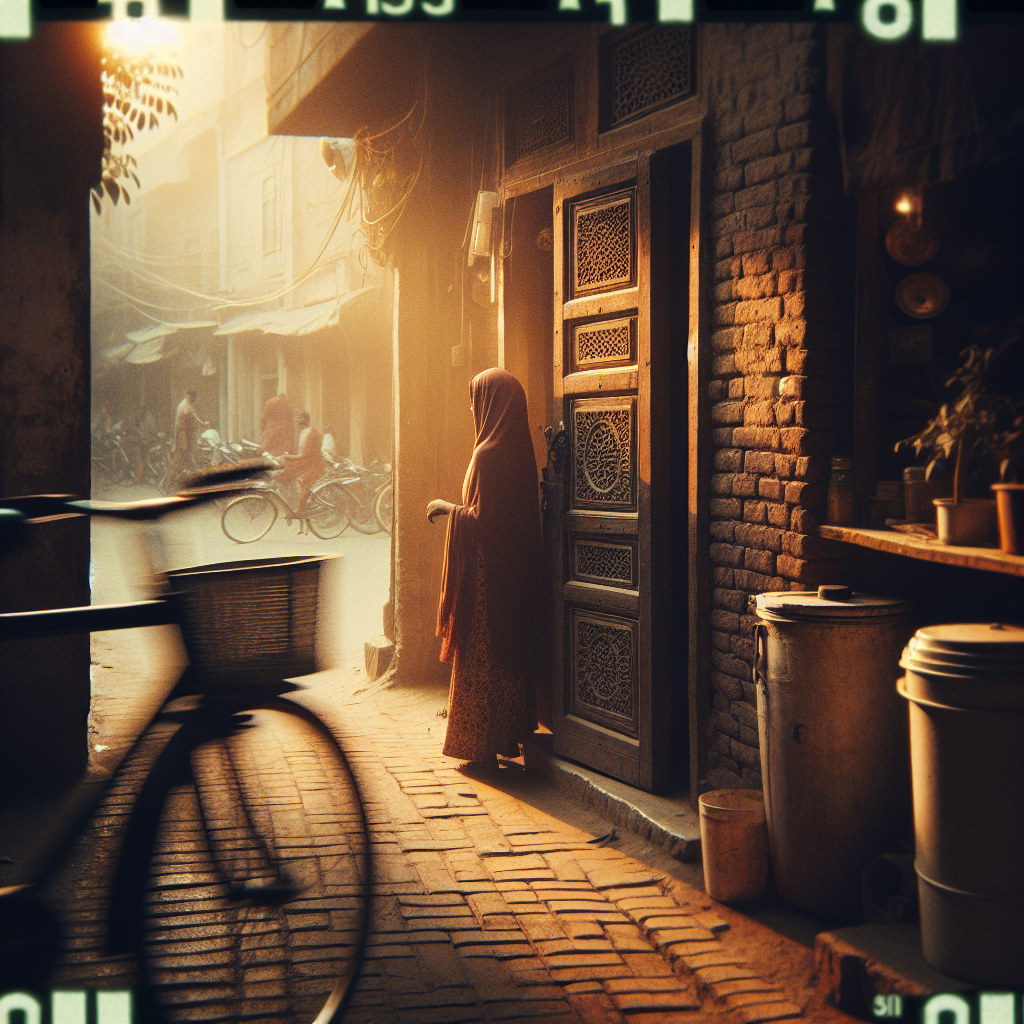
Between Frames: Capturing the Little Connective Moments
 Maya Calder
·
Maya Calder
·
Why the in-between matters
Most tutorials tell you how to photograph the big moment: the jump, the laugh, the kiss. I want to argue for the little connectors — the seconds that fold one action into another, the hands setting down a cup, the shadow that slides across a face, the stranger who appears in the edge of a doorway. These are the subtle stitches that make a sequence feel lived-in. They aren’t flashy, but they tell where people have been and where they might go next.
Once you start looking, these moments are everywhere. They are the visual punctuation marks of daily life. They add rhythm to a photo essay and emotional depth to a single frame. Practically, they are also forgiving to shoot: you don’t need perfect timing or dramatic light; you need curiosity and a willingness to stay patient for small change.
How to spot connective moments
Train your eye to what changes between frames. Look for transitions — movement to stillness, light to shade, empty to occupied. Here are a few common connective moments to watch for:
- Hands mid-motion: setting a cup down, closing a book, adjusting a strap.
- Edges filling: a doorway with one person stepping in, a bike wheel entering frame.
- Overlaps: a shadow overlapping a face, a reflection cutting through a scene.
- Objects in transit: a tray carried across a table, laundry mid-fold, a newspaper turning a page.
- Small reversals: a person pausing, looking back, or hesitating at an intersection.
Composition strategies that emphasize the between
Composition is how you make those small moments speak louder. Use framing and negative space to highlight the pause rather than the action. A few approaches that work well:
- Frame for anticipation: Leave space in the direction of motion. If someone is moving right to left, give them room on the left. That empty space becomes part of the story.
- Use shallow depth of field selectively: Blurring foreground or background can isolate the subtle action and suggest that the visible element is just one part of a larger sequence.
- Include partial bodies or objects: You don’t need the whole subject. A cropped shoulder and a hand reaching into frame can feel more intimate than a full portrait.
- Look for layers: Foreground, subject, background. The layers create context and reveal what’s changing between them.
Practical camera tips
You don’t need fancy gear to find these moments, but a few settings can help you capture them consistently:
- Keep your shutter speed balanced: For gentle motion, 1/125–1/250s preserves a hint of movement without blur. For very subtle gestures, 1/320–1/500s will freeze the detail. Lower speeds are fine if you want motion blur as a storytelling device.
- Shoot in burst mode sparingly: Short bursts of 3–6 frames often capture the sequence without filling your card with near-duplicates.
- Auto ISO is your friend indoors: Let the camera manage sensitivity while you prioritize aperture and shutter for depth and motion.
- Use small focus points: Pinpoint AF helps ensure the hand or object that matters is sharp when it needs to be.
Example quick settings: Aperture ƒ/4, Shutter 1/250, Auto ISO, Single-point AF, Continuous shooting 3fps
Exercises to build the habit
Practice makes noticing automatic. Try these short exercises to train your eye for connective moments:
- Two-minute pause: Sit in a café or at a bus stop for two minutes and photograph only hands and objects on tables. Don’t aim for faces; aim for the transfer of objects.
- Edge hunt: For 15 minutes, capture scenes that include a doorway, window, or frame within the frame. Photograph the spaces as people move through them.
- Sequence pocket study: Make a three-frame sequence of any small action — opening a bag, pouring a drink, turning a corner. Edit them together and see which frames feel like the glue.
Editing with connective moments in mind
When you edit, look for images that imply before and after. If a frame shows a hand reaching for a bicycle bell, it suggests motion without showing it. That implication is powerful. In a sequence, place the connective shot between more obvious moments to create flow. Single images can also stand alone if they feel like a pause — quiet, suggestive, and slightly unresolved.
Don’t be afraid to crop tighter in post. Sometimes compressing the frame to focus on the pause strengthens the narrative. I often nudge exposure, clarity, and local contrast to make textures and small gestures read at a glance.
A few inspirational prompts
- Photograph three different ‘handoffs’ in a day: object to object, hand to hand, person to person.
- Find a place where many transitions happen — a staircase, a market aisle — and shoot only the moments when someone is changing direction or pausing.
- Shoot a quiet commute and pick the one frame that best suggests the rhythm of movement rather than the destination.
Final note — patience as a lens
Capturing connective moments is less about technical mastery and more about attention. It’s a practice in slowing down enough to see the little changes that are otherwise invisible. Think of it as listening with your eyes. If you can be patient, curious, and slightly mischievous about the gaps between actions, you’ll start making pictures that feel honest and quietly cinematic.
Photographs are not just records of events; they are the punctuation between them.
Try an afternoon with nothing to chase and everything to notice. You might come back with a stack of subtle, human pictures that, strung together, tell something true and surprising about ordinary life.